Crafting the Perfect Rose Martini: A Comprehensive Guide


Intro
Crafting a delightful cocktail like the rose martini is more than just about mixing ingredients; it encapsulates a journey through flavors, aromas, and history. This elegant drink, often adorned with floral notes, serves as a statement of sophistication in any gathering. Whether you’re a seasoned bartender or a novice looking to impress at your next dinner party, understanding the intricacies of the rose martini can enhance your mixology skills and elevate your cocktail game.
Recipe Overview
Dish Description
The rose martini stands out with its distinct pink hue and delicate floral taste. Generally enjoyed as an aperitif, this cocktail blends traditionally used spirits like gin or vodka with rose water, offering a refreshing palate experience that dances between sweet and herbaceous. The addition of other ingredients like vermouth or fresh citrus can introduce a whole new dimension, making the rose martini a versatile choice.
Ingredients List
To prepare the perfect rose martini, you will require the following ingredients:
- 2 oz gin or vodka
- 0.5 oz dry vermouth
- 0.5 oz rose water
- 0.5 oz fresh lemon juice
- Ice cubes
- Edible rose petals or lemon twist for garnish
These simple yet elegant components marry together to create a cocktail that not only tantalizes the taste buds but also looks stunning in a chilled glass.
Step-by-Step Instructions
Preparation Steps
- Begin by ensuring all your ingredients are chilled. This helps in maintaining the integrity of the cocktail.
- Fill a cocktail shaker with ice cubes to the brim.
- Pour in 2 oz of gin or vodka, followed by 0.5 oz of dry vermouth, 0.5 oz of rose water, and 0.5 oz of freshly squeezed lemon juice.
- Secure the lid on the shaker and shake vigorously for about 15 seconds. The goal is to mix the ingredients harmoniously and chill them effectively.
Mixing Process
- Once shaken, use a strainer to pour the mixture into a chilled martini glass.
- For a finishing touch, garnish with either edible rose petals for a classic look or a twist of lemon peel for a zesty contrast.
The rose martini has evolved over the years, with variations available that incorporate additional elements such as muddled fruits or flavored spirits, making it a customizable concoction.
By understanding this recipe thoroughly, you not only learn how to prepare a rose martini but also appreciate its artistry. Ready to elevate your cocktail repertoire? Let’s start mixing!
Preface to Rose Martinis
A rose martini isn’t just a drink; it’s an experience, a moment encapsulated in a glass. This delightful cocktail captures the delicate essence of roses, merging floral perfume with spirits in a way that tantalizes the senses. Understanding the intricacies of the rose martini helps not only in creating the cocktail itself but also in appreciating its cultural layers and historical significance.
The importance of the rose martini lies in its unique ability to bridge the gap between traditional mixology and modern creativity. For food lovers and cocktail enthusiasts, mastering this drink enhances one’s cocktail repertoire and serves to impress at gatherings. It’s as much about the preparation as it is about the presentation, making it a favorite among those who believe in the artistry behind their sips.
Moreover, the rose martini embodies an elegant aesthetic that appeals to both the palate and the eyes. This section sets the stage for a deeper exploration of foundational aspects, such as the historical background that informs its contemporary appeal and its cultural significance across different societies.
Historical Background
The rose martini’s roots can be traced back to the early 20th century, when cocktails began to flourish in social settings, adapting to the tastes of those adventurous enough to experiment. The combination of gin or vodka with rose liqueur is thought to have gained traction in loosely connected circles of herbalists and botanists who enjoyed playing with flavors. It wasn’t just a simple drink; it symbolized the blending of tradition with innovation, paving the way for cocktails that showcased natural flavors.
Interestingly, different cultures have incorporated roses into their beverages long before the modern rose martini made its debut. From Turkish rose petal tea to Persian sweets, the floral note has always been a cherished element. This historical fabric deeply influences how the rose martini is perceived today, showcasing a legacy of celebration and refinement in its every sip.
Cultural Significance
Delving into the cultural significance of the rose martini reveals how much more than a beverage it truly is. In various cultures, roses are symbols of love, beauty, and passion. The presence of rose-flavored cocktails adds a romantic touch to gatherings, making it a popular choice for celebrations such as anniversaries and weddings.


Moreover, the rise of craft cocktails has shifted perceptions of drinking culture. No longer simply about intoxication, the experience now emphasizes aesthetics, quality, and enjoyment. The rose martini stands as a pinnacle in this movement, encapsulating elegance and creativity.
"Cocktails like the rose martini represent more than mere drinks—they are an intersection of tradition and innovation, where art meets flavor."
Core Ingredients of a Rose Martini
Crafting a flawless rose martini requires a deft balance of cherished ingredients that allow the cocktail to truly shine. Each element not only contributes to the taste but also embodies the aesthetic allure that defines this delicate beverage. Skillful selection of these core ingredients can significantly elevate one's drinking experience, whether it's at a sophisticated gathering or a casual evening at home.
Types of Gin or Vodka
The foundation of any great martini begins with the choice of spirit. In the case of a rose martini, gin or vodka can serve as the base, but how do you decide which one fits best?
- Gin: Known for its botanical richness, gin can infuse a complex character into the cocktail. Opting for a London Dry gin, for instance, brings out crisp, juniper-led flavors that can be complemented by floral notes. Brands like Tanqueray or Beefeater are often recommended for their consistent profiles.
- Vodka: If a cleaner taste is what you're after, vodka might be your best bet. It brings a smoothness that allows other flavors, particularly the rose elements, to take center stage. Popular picks like Grey Goose or Belvedere can offer high-quality bases without overpowering the refreshing notes of your drink.
Choosing between gin and vodka isn't only about personal preference; it's about the story each one tells in the glass. Will you choose the aromatic adventure of gin or the minimalist elegance of vodka?
Rose Liqueurs: Options and Varieties
Adding a rose liqueur is essential as it infuses the cocktail with its signature petals' delicate flavor. There are several varieties to consider:
- Roses of Provencel: This liqueur, with its fragrant notes, often takes center stage in rose martinis. It’s not overly sweet, making it a suitable companion to your chosen spirit.
- Parfait Amour: Incorporating dark floral notes with a touch of orange, this liqueur could offer an unexpected twist to your drink.
- Rosa Regale: Often sparkling and slightly sweet, it could appeal to those with a penchant for a more flamboyant taste.
By incorporating rose liqueurs, the drink not only gains flavor but a beautiful blush that’s hard to resist. In essence, this component adds both ethos and character.
Fresh Ingredients: Rose Petals and More
No rose martini is complete without the touch of fresh ingredients. Rose petals, the star of the show, serve not only as garnish but also as a vital flavor contributor.
- Rose Petals: When choosing petals, be sure they are organic and free from pesticides. A handful of gently muddled petals at the bottom of your shaker can impart a subtle fragrance to your mix.
- Fresh Citrus: Consider a splash of lemon or lime juice. The addition of these elements creates a balance against the sweetness of other ingredients and uplifts the overall profile of the drink.
- Other Botanicals: Experimenting with sprigs of mint or basil can bring a refreshing dimension. These choices can further enhance your cocktail, surprising your palate with an encompassing burst of flavors.
Using fresh ingredients can lead to a more vibrant and aromatic cocktail, creating layers that can transform even the simplest of gatherings into memorable experiences.
"Creating a rose martini is a layered process where simplicity meets complexity at every step. It's essential to pick the right ingredients for a true delight of the senses."
The Craft of Mixing: Preparation Steps
Crafting the perfect rose martini involves much more than just tossing ingredients together; it’s an art that requires both precision and flair. The process of mixing this cocktail is fundamental, as it influences the overall flavor, presentation, and, importantly, the drinking experience. Getting the right mix yields a drink that not only tantalizes the taste buds but also delights the senses. Every factor from the selection of glassware to the mixing techniques and garnishing plays a crucial role in achieving the finest outcome. Let’s dive into the specifics that guide you through these preparatory steps.
Choosing the Right Glassware
When it comes to presenting a rose martini, the glass can often be a silent ambassador of the drink's elegance. Opting for the right glassware is essential for both presentation and functionality. Traditionally, a martini glass is preferred due to its classic shape, which helps to enhance the aromatic qualities of the drink. Its wide rim allows the delightful scents of rose and other ingredients to waft up and invite the drinker.
In the world of cocktails, presentation is king. A well-curated glass not only serves a practical purpose but also amplifies the overall drinking experience. For instance:
- Martini Glass: Ideal for most traditional renditions, showcasing the shimmering pink hue beautifully.
- Coupe Glass: Has become increasingly popular for a more vintage aesthetic, offering a different vibe while still holding sophistication.
- Highball Glass: If you prefer a longer drink with additional mixers, this puts a twist on the classic presentation.
Ensure that your glassware is chilled before serving. A quick trip to the freezer or a rinse with cold water can keep your cocktail nice and cool, further elevating its appeal.
Shaking vs. Stirring: Techniques Explained
Mixology stands as a delicate balance of science and artistry, and choosing whether to shake or stir your rose martini can significantly affect its texture and flavor profile. Understanding the nuances between these two methods can enhance your cocktail experience.
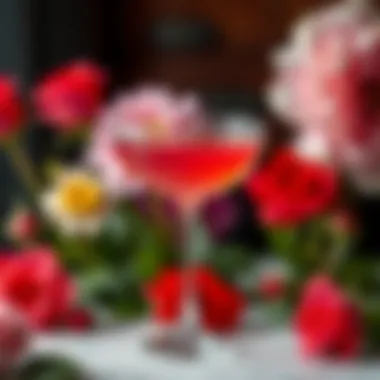
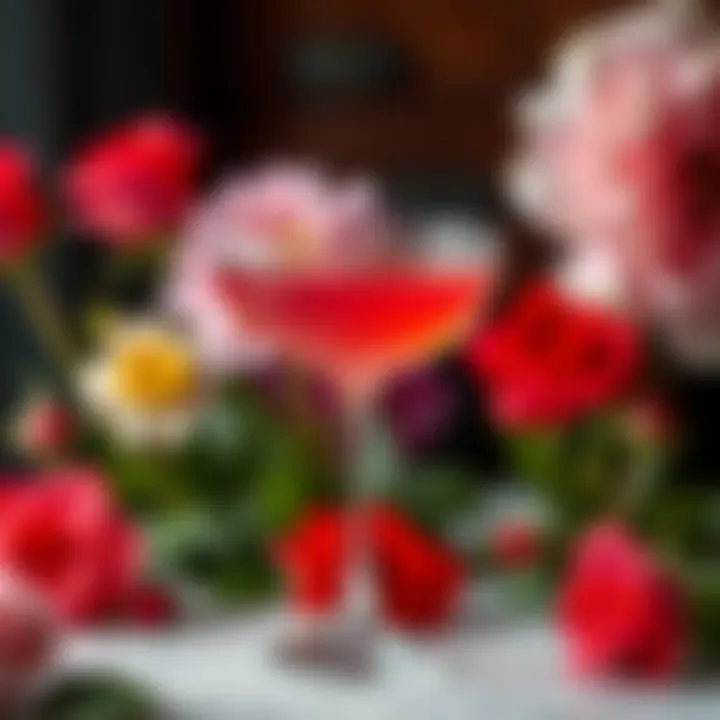
Shaking is often associated with cocktails that include fruit juices, syrups, or cream. This technique introduces air to the mixture, resulting in a frothy and textured drink. For the rose martini:
- Combining your gin, rose liqueur, and other mixers in a shaker with ice leads to a refreshing chill and slight dilution, which can mellow the overall taste.
On the flip side, stirring is usually reserved for spirit-forward cocktails, offering a smoother texture by reducing aeration. For a rose martini with a more pronounced floral profile, stirring instead of shaking preserves the integrity of the flavors.
- Use a mixing glass filled with ice and gently stir the ingredients for about 30 seconds, allowing it just enough time to chill without losing all complexity.
In short, your choice between shaking or stirring can tailor your drink's character to fit your palate.
Creating the Perfect Garnish
Visual appeal can turn a good cocktail into a great one. Garnishing isn't merely ornamental; it often adds to the flavor profile or aroma of the drink. A rose martini, with its lovely blush, benefits tremendously from a well-selected garnish. Here are some popular options that can elevate your cocktail:
- Fresh Rose Petals: A straightforward yet sensational choice, adding petals right from your garden delivers that fresh rose scent and enhances the visual aesthetic.
- Lemon Twist: A thin strip of lemon peel can introduce a zesty contrast, balancing the sweetness of the drink.
- Edible Flowers: Think beyond the rose. Flowers like violets or pansies provide an elegant and colorful touch while remaining on theme with the floral elements.
"Garnishes are like the cherry on top—subtle yet essential for rounding out the experience."
To incorporate these garnishes effectively, consider the following tips:
- Always select fresh, organic ingredients if possible.
- Place the garnish thoughtfully. A rose petal floating delicately on top, or a lemon twist elegantly resting on the rim can wow your guests.
- Make sure the garnish is edible and safe, as it adds to the drink's allure.
Ultimately, mastering the craft of mixing the rose martini involves attention to detail at every step. From the right glass to the method of mixing and an exquisite garnish, each choice contributes to the drink's enjoyment and whether it meets the expectations of a well-crafted cocktail.
Taste Profiles and Flavor Combinations
When it comes to crafting a rose martini, understanding taste profiles and flavor combinations is crucial. It’s not just about throwing in a splash of gin and a hint of rose; it’s a delicate dance of flavors that elevates the experience. The interplay of sweetness and bitterness, along with complementary flavors, dictates not only how the drink tastes but also how it feels when enjoyed. The right balance can transform an ordinary cocktail into a masterpiece, engaging your palate and delighting your senses.
Balancing Sweetness and Bitterness
Sweetness and bitterness may seem like opposing forces, but in the world of mixology, they can create some of the most harmonious flavors. A good rose martini strikes that elusive balance. Generally, rose liqueurs, with their floral and sweet notes, add a lovely sweetness to the drink. If too sugary, however, it could become overwhelming. Hence, it's essential to counteract this sweetness with bitter components.
For instance, using a well-crafted gin, such as Tanqueray or Hendrick's, can introduce a botanical bitterness that cuts through the sugary notes. Alternatively, you could experiment by incorporating a few dashes of Angostura bitters. It’s a classic move that enhances the complexity of the cocktail.
Here are a few tips to ensure a well-balanced drink:
- Start with moderate amounts of sweet liqueurs and add a splash of gin first.
- Taste as you mix. Adjust sweetness to your liking, considering your own palate's preferences.
- Consider acidity from citrus elements like lemon juice to also help balance the flavors.
"A true mixologist is like a chef — balancing flavors is the magic that makes everything come together."
Complementary Flavors: Fruits, Herbs, and Spices
In addition to sweetness and bitterness, complementary flavors play a big role in the overall taste profile of a rose martini. Fruits, herbs, and spices not only enhance freshness but also add depth to the drink.
- Fruits: Incorporating elements like raspberries or strawberries can promote the floral notes inherent in rose liqueurs. A muddled raspberry at the bottom of the glass can provide a burst of fruity flavor when sipped.
- Herbs: Fresh mint or basil can introduce a refreshing aspect that cuts through the sweetness. A sprig of mint can also elevate the drink's aroma, contributing to the sensory experience.
- Spices: Consider adding a hint of cardamom or even a touch of black pepper. Such spices can marry beautifully with the rose flavor, resulting in a unique tasting profile that surprises and delights.
Experimenting with these elements can lead to some audacious flavors, turning your rose martini into an inviting and memorable drink. Don’t shy away from variations; they are often where the most rewarding experiences lie. In the end, the goal is to create a balance that invites repeated enjoyment, capturing the essence of both the cocktail and the moment.
Variations on the Classic Recipe
The realm of cocktails is never static; it bends, twists, and evolves with time. The Rose Martini is no exception to this fluidity. Embracing variations on the classic recipe adds layers of creativity and personal touch to this timeless drink. This aspect goes beyond mere ingredients or techniques; it's about celebrating diversity in flavors and experiences. It allows enthusiasts to tailor the martini to suit their palate, occasions, or even the mood they’re in.


Variations can transform the Rose Martini from your average cocktail to an extraordinary blend that captures personal stories and memories. With this flexibility, one can draw inspiration from seasonal ingredients or cultural influences, making the drink more than just a beverage, but a reflection of creativity and innovation. This journey through variations is particularly crucial for those looking to impress guests or to infuse a bit of their own personality into what they serve.
Adding Unique Ingredients for Novelty
Mixology thrives on experimentation. Adding unique ingredients can create startling contrasts or harmonious blends that elevate the Rose Martini. The key is knowing how to balance these flavors without losing the essence of the drink. Some examples to consider include:
- Flavored Syrups: For instance, adding lavender syrup introduces a floral note that complements the rose flavor beautifully.
- Fruits: Why not try blood oranges? Their bright color and tangy flavor can add zest without overwhelming the classic taste. A splash of fresh juice can also brighten the profile.
- Herbs: Basil or mint offers a refreshing twist. Using freshly muddled leaves not only adds a new taste dimension but also brings an aromatic quality to the drink.
Using unique ingredients allows you to tell a story with each sip. A rosemary sprig can transport drinkers to a sun-kissed landscape, while hibiscus can set a vibrant tone reminiscent of summer gatherings.
Creating Non-Alcoholic Versions
Catering to those who prefer a non-alcoholic option is growing in popularity and importance, and the Rose Martini is quite adaptable in this regard. Offering a mocktail version ensures that everyone can partake and enjoy without compromise. Here’s how to recreate the experience:
- Base Replacement: Instead of gin or vodka, a quality tonic or sparkling water can provide the fizz and serve as a refreshing base.
- Rose Syrup or Tea: Use rose-flavored syrup or rose-infused herbal tea as a substitute for liqueurs. Both options retain that characteristic floral flavor while keeping the drink alcohol-free.
- Citrus Spritzer: Incorporate fresh-squeezed lemon or lime juice to maintain acidity, balancing out the sweetness from the syrup or tea.
- Garnishes: Don’t skimp on the visual appeal. A small rose petal or an edible flower can make a non-alcoholic version just as glamorous as its boozy counterpart.
By innovating and adapting, the non-alcoholic Rose Martini can charm just about anyone. Mixology begins to feel inclusive, enriching shared experiences over a delightful drink. Making sure that everyone at the table can enjoy something special is an essential part of the social experience that cocktails represent.
“In mixology, the possibilities are endless; every ingredient has a story to tell.”
As the Rose Martini continues to evolve, so too do the canvases on which bartenders paint their creations. Exploring the variations not only enhances the experience of sipping the cocktail but also fosters a sense of community among those who enjoy crafting and experiencing these beautiful drinks together.
Presentation and Serving Suggestions
Good presentation is essential when serving any cocktail, and the Rose Martini is no exception. The way you present this drink can elevate the experience, turning a simple refreshment into a visual delight that captivates and engages. The aesthetics of your cocktail play a crucial role in setting the tone of an event, whether it's an intimate gathering or a lavish party.
Setting the Mood: Decor and Ambiance
Creating the right ambiance is key to enhancing any cocktail experience. For the Rose Martini, you can consider several elements:
- Lighting: Soft, dim lights can create an inviting environment. Think of twinkling fairy lights or flickering candles that reflect off the glass.
- Color Palette: Rose-colored decor can seamlessly tie into the theme. Consider tablecloths, napkins, or even your serving tray that complement the drink's rosy hues.
- Floral Accents: Fresh roses or other flowers around the serving area elevate the aesthetic. Petals scattered on the table or in a vase can create an enchanting display.
- Music: A carefully curated playlist can set the mood. Soft jazz or acoustic melodies can enhance the elegance of the cocktail presentation.
A well-decorated space not only looks appealing but also sets the emotional stage for your guests, making them feel special and appreciated.
Pairing the Rose Martini with Small Bites
Food pairing can significantly enhance the overall enjoyment of your drink. When serving Rose Martinis, consider offering small bites that complement the floral and slightly sweet flavors of the cocktail.
- Cheese Platter: A selection of creamy cheeses, especially those with a touch of sweetness, can work wonders. Brie or goat cheese paired with a drizzle of honey is particularly delightful.
- Mini Skewers: Grilled chicken or shrimp skewers marinated in herbs can provide a savory contrast to the sweet notes of the martini.
- Vegetable Canapés: Lightly seasoned cucumbers or bell peppers topped with cream cheese or a herb spread create a refreshing bite.
- Fruit Dips: Serve fruits like strawberries or apples alongside a yogurt dip infused with rosewater. This complements the martini's essence whilst providing a crunchy texture.
Always aim for balance; the flavors should complement rather than compete.
By strategically pairing your Rose Martini with the right small bites, the drink can shine while also enhancing the overall flavors in a harmonious dance.
Ending and Final Thoughts
In crafting an exquisite Rose Martini, the journey unfolds as a delightful exploration of both taste and artistry. The significance of this experience is multifaceted; not only does it showcase the intricate dance between floral aromas and spirited notes, but it also invites enthusiasts to engage with tradition and creativity in equal measure.
By embracing the core elements of the Rose Martini—from selecting the perfect gin or vodka to mastering the garnishing techniques—you cultivate a unique form of expression. Each ingredient plays a pivotal role; for instance, the delicate sweetness of rose liqueur balances beautifully against the spirits, providing a cocktail that’s refreshingly light yet resplendently complex.
One must consider the importance of presentation, as it enhances the sensory experience. Setting the mood through thoughtful decor and pairing options elevates the cocktail from mere drink to a centerpiece of social gatherings. The Rose Martini serves as a conversation starter, weaving tales of its history while offering an opportunity for connection among those gathered.
Engaging with this cocktail means exploring not just recipes, but also methods of appreciation. By understanding its roots and adapting techniques to one's individual taste, one enriches not only their own palate but also the culinary culture.
"A true mixologist doesn’t merely follow recipes; they create experiences that linger in the hearts of those who partake."
As you sip on this elegant beverage, remember that the Rose Martini is more than just a drink. It's an invitation to slow down and relish the moments shared with friends, making every gathering a little more special. In a world that often rushes forward, this cocktail encourages us to pause and enjoy the art of mixology in its finest form.